Safe waste disposal is crucial for all businesses, but even more so when disposing of hazardous or chemical waste. Not only is it a legal requirement but responsible disposal of hazardous waste protects people, property and the environment. This guide explains which materials are classified as hazardous waste, and how to dispose of hazardous waste in six simple steps.
Key Takeaways:
- Hazardous waste is classified as any material that has the potential to cause harm to people or the environment
- Safe disposal of hazardous waste is a legal requirement
- Disposing of hazardous waste includes identifying the hazardous substance, storing it safely, and using a licensed waste carrier to transport it
- Consignment notes and other documents pertaining to hazardous or chemical waste must be kept for a minimum of three years
- Improper disposal can result in water contamination, pollution, fire hazards and even fatalities
What Is Hazardous Waste?
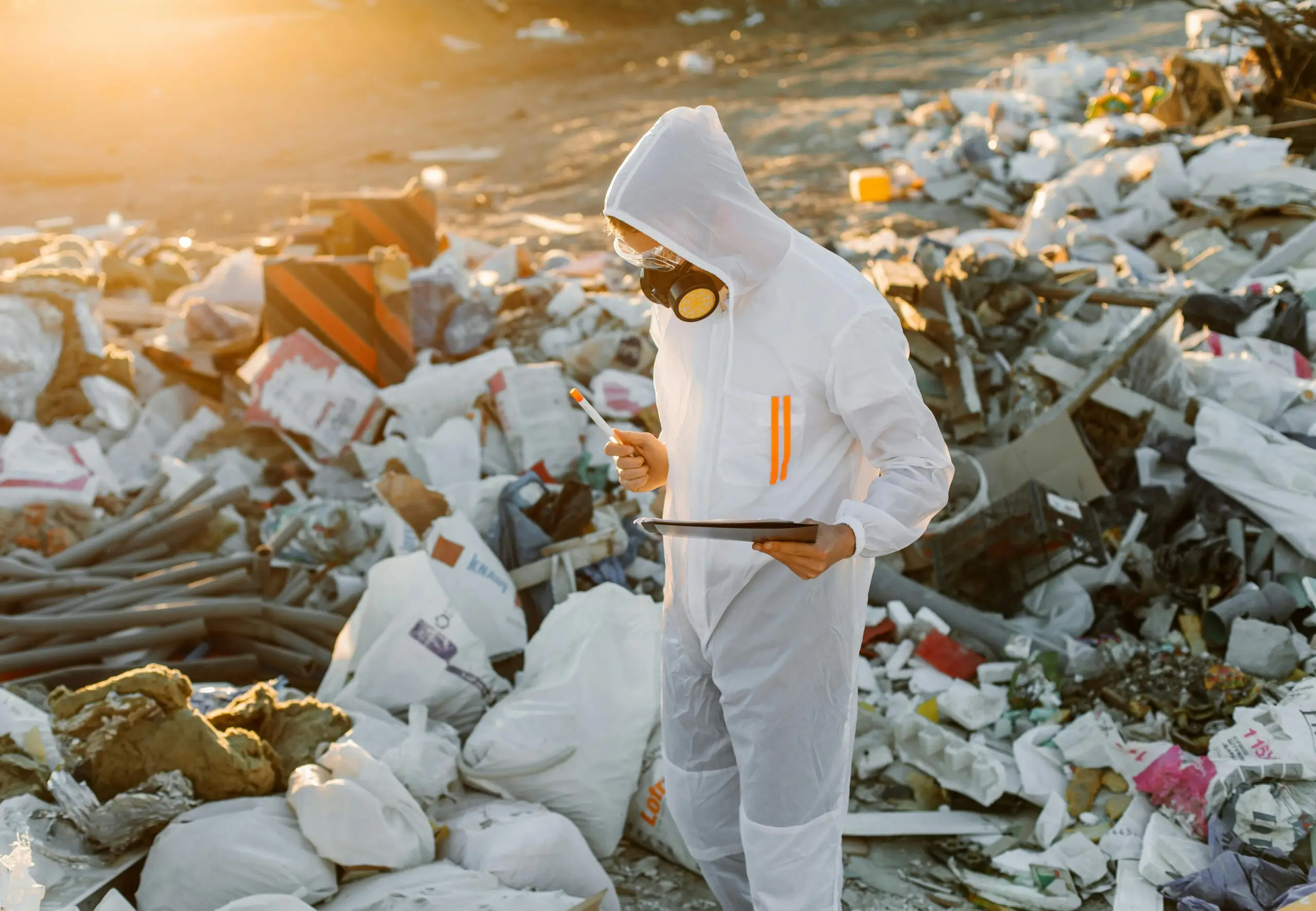
Hazardous waste is any material that poses a significant risk to human health or the environment due to its physical, chemical or biological characteristics. Unlike general waste, hazardous waste might be flammable, corrosive, reactive, toxic or infectious, which is why improper disposal can be very dangerous. There are 13 tons of hazardous waste produced every single second globally. To tackle this growing problem, all businesses must ensure they are disposing of hazardous substances and materials correctly.
6 Steps to Disposing of Hazardous Waste
To ensure safety, compliance and minimal environmental impact, these are the 6 steps to take when disposing of hazardous waste.
1. Identify and Classify the Hazardous Waste
The crucial first step is to accurately identify and classify the waste. To do this, businesses should consult data sheets. These data sheets will have a waste classification code and explain the potential hazards involved. This code should be given to your waste carrier so they adequately plan and prepare for the safe waste disposal of the specific substance or material.
2. Store the Waste Safely
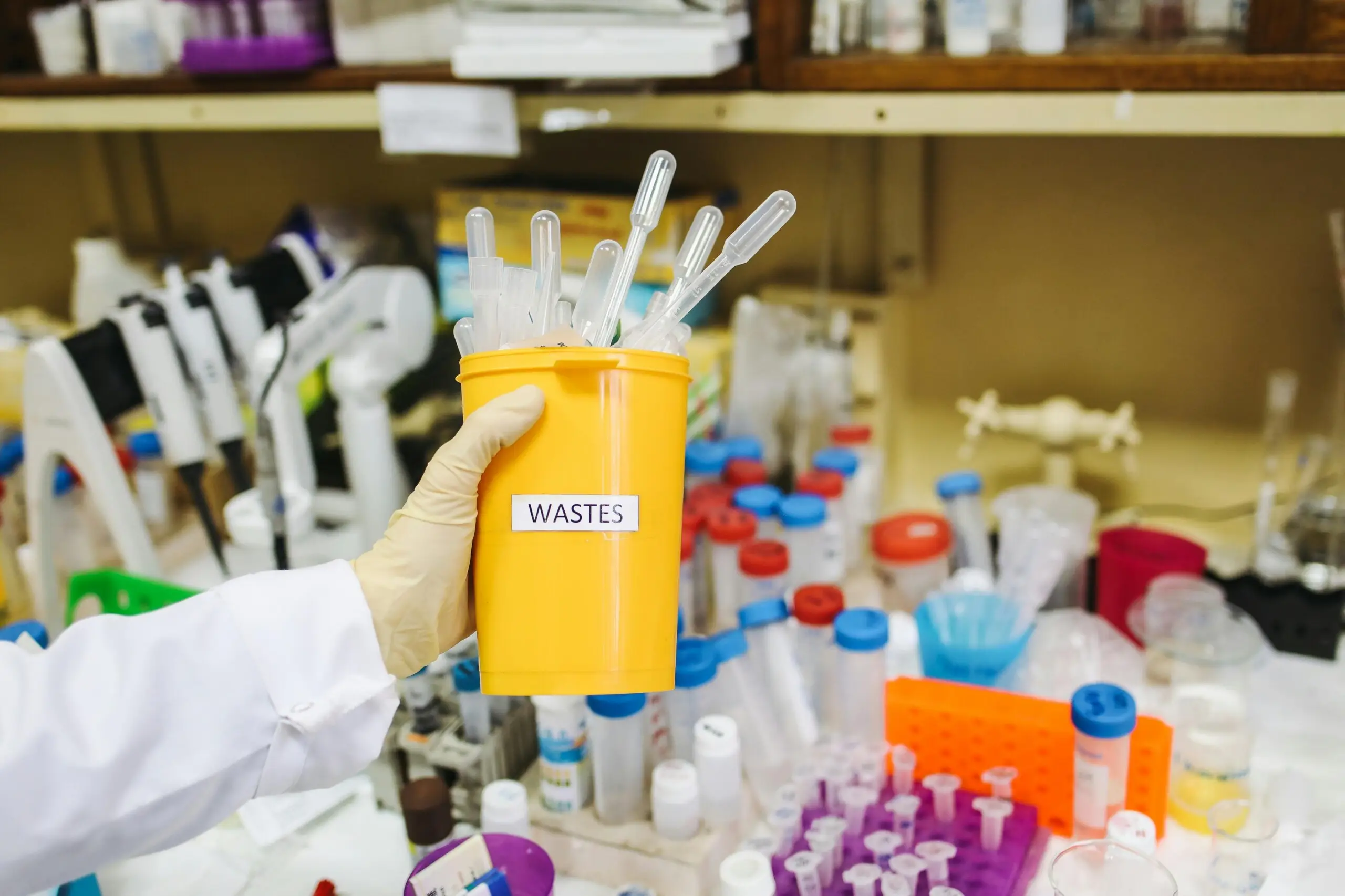
Hazardous waste should always be separated from general waste streams and stored safely. Containers for hazardous waste disposal should be leak-proof, chemically resistant to the waste they contain, and clearly labelled with the substance name and hazard warnings. Store containers away from flammable sources or other hazardous materials and never mix different types of hazardous waste unless specified as safe. Inadequate storage can increase the risks of spills and contamination.
3. Secure Transportation by a Licensed Waste Carrier
Businesses are legally responsible for the safe disposal of waste, and any waste remains their responsibility until it has reached the treatment or disposal centre. It is therefore crucial to use a licensed waste carrier like Fresh Start Waste that will transport the materials safely and securely. Hazardous waste management is crucial to reduce the risks of illness, contamination or harm. It also ensures legal compliance so companies can avoid costly fines and operational shutdowns.
4. Fill in Consignment Notes
Every movement of hazardous waste in the UK must be accompanied by a hazardous waste consignment note. These documents track the waste from origin to final disposal. They contain details about the waste producer, the carrier, and the destination facility, plus a description of the hazardous materials. Consignment notes provide a vital audit trail, ensuring accountability and compliance.
5. Treatment, Recycling or Disposal
The last physical stage is the actual treatment, recycling, or disposal of hazardous waste. What to do with hazardous substances will ultimately depend on the type of material being discarded. Chemical waste will be treated to neutralise hazards, biomedical waste will be incinerated and waste oil may be sent to a waste-to-energy-facility. Batteries or other small electricals can be dismantled with the components recycled. Hazardous waste management providers will ensure that all hazardous and chemical waste is disposed of according to its properties and recycling potential.
6. Keep Records for a Minimum of Three Years
Once the safe disposal of hazardous substances has been completed, UK regulations require businesses to keep hazardous waste consignment notes and related records for at least three years. These records typically include consignment notes, disposal certificates and waste transfer notes. They should be readily available for inspection by regulatory authorities, demonstrating legal compliance, supporting environmental reporting, and providing evidence of responsible waste management.
Examples of Hazardous Waste
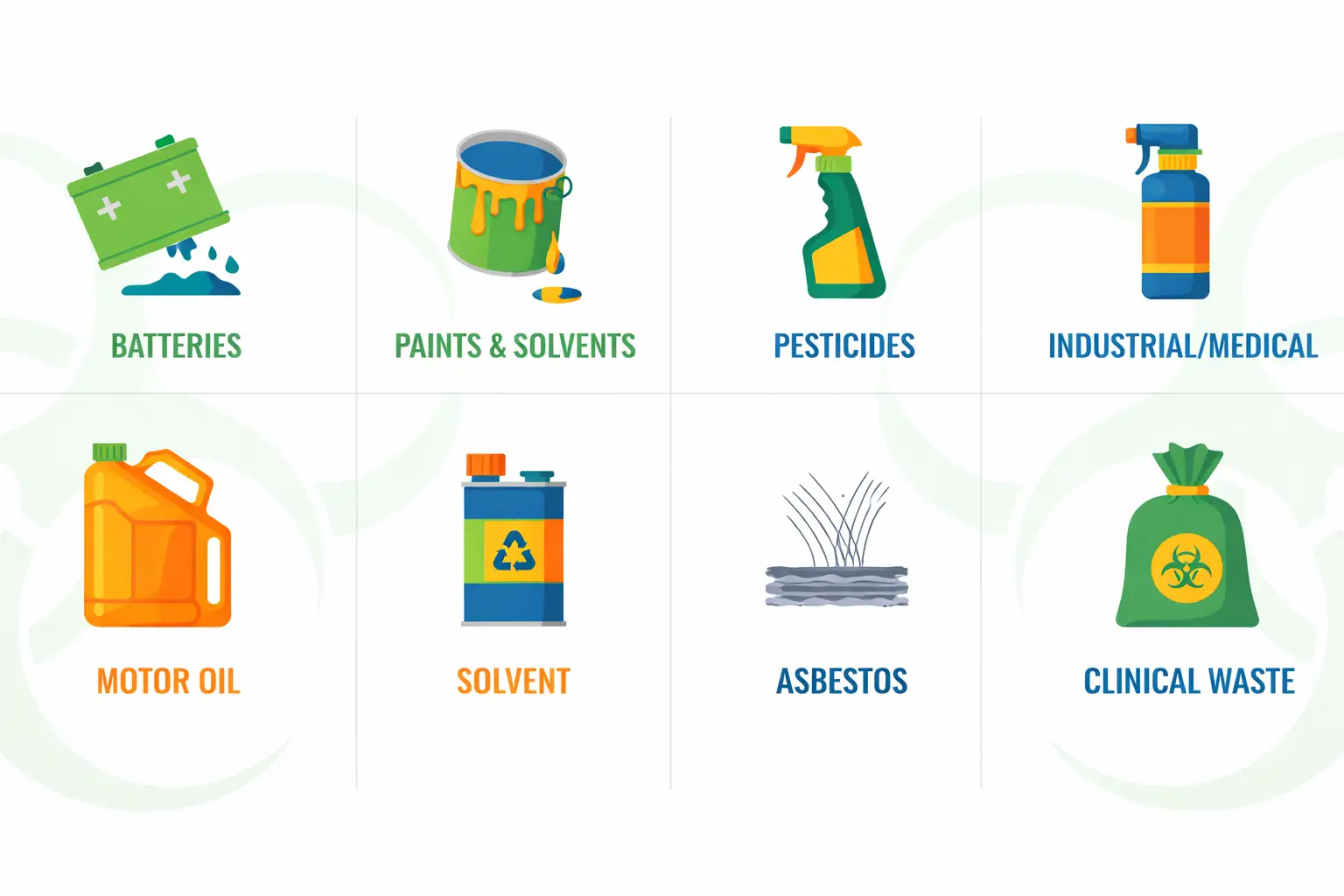
Some types of hazardous or chemical waste are obvious, others less so. Here are some of the materials that can be classified as hazardous waste:
- Batteries – Batteries, especially car batteries, rechargeable batteries and lithium batteries, contain heavy metals like lead and cadmium
- Chemicals – Cleaning agents, solvents, paints, thinners, and photographic chemicals, can be highly toxic or flammable
- Oils – Motor oil, hydraulic fluid and even cooking oils can contaminate waterways and soil
- Pesticides and Herbicides – Designed to kill pests and weeds these highly toxic substances may be harmful to humans or domestic animals
- Solvents – Degreasers and industrial cleaners are often volatile and flammable
- Asbestos – This hazardous material, once widely used in construction, is known for its severe respiratory health risks if inhaled
- Clinical Waste – Items disposed of in clinical settings, including sharps, contaminated dressings and certain pharmaceuticals, can harbour infectious agents
- Radioactive Waste – Due to radioactivity, this is a very distinct category requiring highly specialised containment and disposal protocols
Why Proper Disposal of Hazardous Waste Matters
Effective hazardous waste management protects communities and preserves natural resources. When hazardous substances are not disposed of correctly it can result in:
- Soil and water contamination
- Air pollution
- Harm to wildlife
- Serious health risks to workers and the public
- Fire or explosion hazards
Beyond environmental damage, it is a legal requirement to safely dispose of hazardous waste. Non-compliance can lead to unlimited fines, reputational damage or even criminal prosecution. Furthermore, responsible disposal supports sustainability goals and demonstrates corporate responsibility.
Hazardous Waste Disposal from Fresh Start Waste
Managing hazardous waste doesn’t have to be complicated. Fresh Start Waste offers professional hazardous waste collection, transportation and disposal services for businesses across the North West. We support you with:
- Waste classification and advice
- Secure storage solutions
- Licensed hazardous waste collection
- Consignment note completion
- Environmentally responsible treatment and disposal
Talk to our team today and take the right steps to dispose of hazardous waste, ensure your business meets all legal obligations and minimise environmental impact.