Businesses are becoming more aware of their responsibilities when it comes to a circular economy and waste management. As sustainability initiatives and environmental targets become more of a priority, companies are naturally incorporating circular economy principles. This guide explains what a circular economy is, the benefits of a circular economy, and waste management practices organisations can adopt to support a more sustainable, stronger and efficient future.
Key takeaways:
- A circular economy is a system that aims to eliminate waste and reuse resources, keeping products and materials in circulation rather than disposing of them
- A circular system is an alternative to a traditional linear economy model where items are created, used and then discarded
- A circular economy works on the basis of a closed loop system – where products are created with the intention of being reused or recycled, creating a full loop
- Businesses can apply circular economy principles to waste management – reducing, reusing and recycling as much waste as possible
- To improve circularity companies can carry out waste audits, source eco-friendly materials, design sustainable products and prioritise recycling systems
- Circular waste management offers benefits such as cost savings, regulatory compliance, stronger brand reputation, and opportunities for innovation
Contents:
- What is a circular economy?
- How does a circular economy work?
- The circular economy and waste management
- Incorporating circular economy principles into waste management
- Benefits of circular waste management for businesses
- Regulatory considerations and industry standards for uk businesses
What Is a Circular Economy?
A circular economy is an economic system designed to eliminate waste and continually use resources. Instead of products being discarded after use, materials are kept in circulation through processes such as reuse, repair, refurbishment, remanufacturing and recycling.
A circular economy reduces the need to take new resources from the earth and to throw things away needlessly. It is an antidote to the more traditional model of a linear economy, where raw materials are extracted, turned into products, and eventually disposed of as waste. Circular economy principles mean that the life cycle of a product is extended and materials are used for as long as possible, limiting environmental impact and reducing overconsumption.
How Does a Circular Economy Work?
A circular economy focuses on eliminating waste and pollution from the outset by designing products to be durable, reusable, and ultimately recyclable. Rather than treating materials as disposable, businesses aim to keep them in use for as long as possible through repair, refurbishment and remanufacturing.
To achieve this there needs to be collaboration across the supply chain – from manufacturers to suppliers to end users. For example, clothing companies may adopt a closed-loop system where old clothing is collected, processed and turned into new garments. This eliminates waste and saves using raw materials.
Another good example is food waste reduction initiatives, where retailers work with charities, such as The Trussell Trust, and other organisations like Too Good To Go to redistribute surplus food instead of sending it to landfill.
The Circular Economy and Waste Management
UK businesses generate over 40 million tonnes of waste each year. One of the key principles of a circular economy is to reduce waste as much as possible. This could be through making smarter choices about what we use, choosing reusable items rather than disposable and making sure that what can be recycled is. Effective business waste management is therefore crucial if we want to work towards a circular economy.
Incorporating Circular Economy Principles Into Waste Management
Here are some ways that organisations can contribute to a circular economy and improve waste management:
- Conduct a waste audit – Identify what types of waste your business produces, where you can cut back on consumption, and how you could switch to reusable options
- Reduce waste at the source – Optimise your processes and review the materials you use to prevent waste before it is created
- Design products for longevity – For manufacturers, work towards creating creating durable, repairable and upgradeable products that stay in use longer
- Switch to recyclable or reusable materials – Replace single-use or hard-to-recycle components with circular alternatives
- Implement effective recycling systems – Ensure waste is properly separated, labelled and collected for recycling by a licensed and verified waste collector like Fresh Start Waste
- Adopt closed-loop practices – Reuse materials from old products or processes to create new ones rather than sourcing raw materials
- Partner with sustainable suppliers – Work with suppliers who prioritise recycled materials, low-waste practices and carbon-conscious initiatives
- Introduce take-back or return schemes – Encourage customers to return used products for reuse, refurbishment or recycling
- Train employees on waste reduction – Build awareness and accountability across teams to improve day-to-day practices, and encourage staff to come up with their own ideas for a circular system
- Track and report waste performance – Monitor waste levels and set measurable targets for continuous improvement
These steps help businesses reduce costs, stay compliant with regulations and move toward a more sustainable, circular operating model.
Benefits of Circular Waste Management for Businesses
Adopting circular waste management processes doesn’t just benefit the planet, it has significant business advantages too, including:
- Cost savings – By reducing material waste and improving resource efficiency companies can significantly lower operational costs
- Regulatory compliance – With environmental regulations becoming stricter, circular practices help businesses stay compliant and avoid penalties
- Enhanced brand reputation – Demonstrating that you are an environmentally responsible company increases trust amongst consumers
- Innovation opportunities – Striving to achieve circularity encourages businesses to create new product designs, develop advanced business strategies and source better materials
- Supply chain agility – Reusing materials reduces dependency on volatile raw material markets, allowing businesses to be more flexible and negotiate fairer prices
Regulatory Considerations and Industry Standards for UK Businesses
When it comes to a circular economy and waste management, it’s more than just a case of ‘doing the right thing’. In the UK, businesses must comply with a range of environmental regulations related to waste management and sustainability. These include:
Simpler Recycling
Since March 2025 companies with 10 or more employees must segregate their waste in the same way as domestic households under Simpler Recycling Laws
Duty of Care Requirements for Waste Handling and Disposal
UK businesses must ensure their waste is stored, transported and disposed of safely by authorised carriers, with proper documentation to track it as per waste duty of care requirements.
Extended Producer Responsibility (EPR) schemes
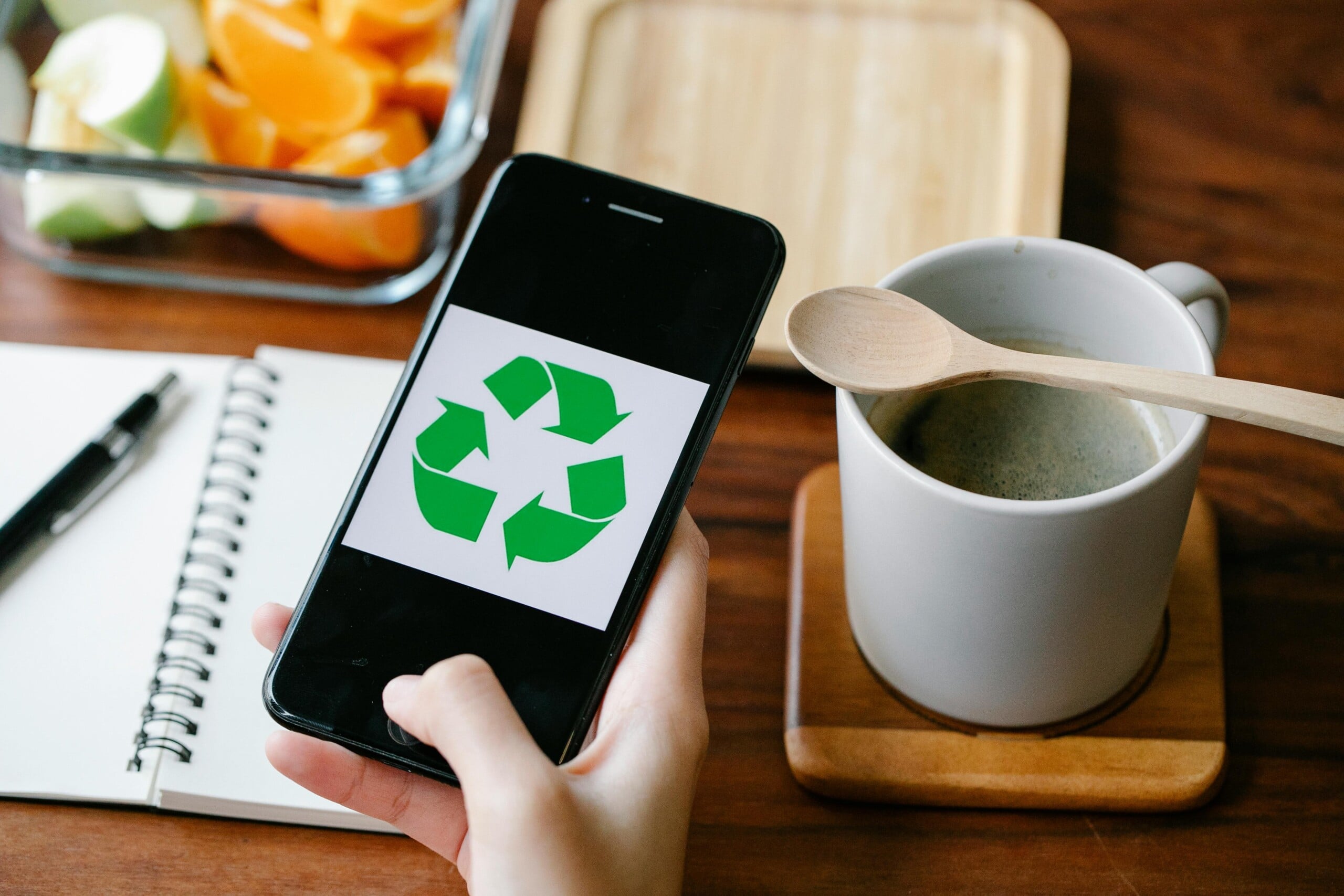
EPR requires businesses to take financial or operational responsibility for the full lifecycle of their products, with a particular emphasis on the disposal and recycling of packaging, such as cardboard boxes or paper void fill.
Waste Electrical and Electronic Equipment (WEEE) directives
Companies that manufacture or sell electrical goods must finance the collection, treatment and recycling of electronic waste. For example, companies sending more than 5 tonnes of EEE to market must join a producer compliance scheme (PCS) as set out by the UK government.
ISO 14001 (Environmental Management Systems)
A key component of the Environment Agency’s sustainability strategy, ISO 14001 is a recognised standard that helps UK businesses implement structured processes to manage environmental responsibilities and improve sustainability performance.
Circular Waste Management From Fresh Start Waste
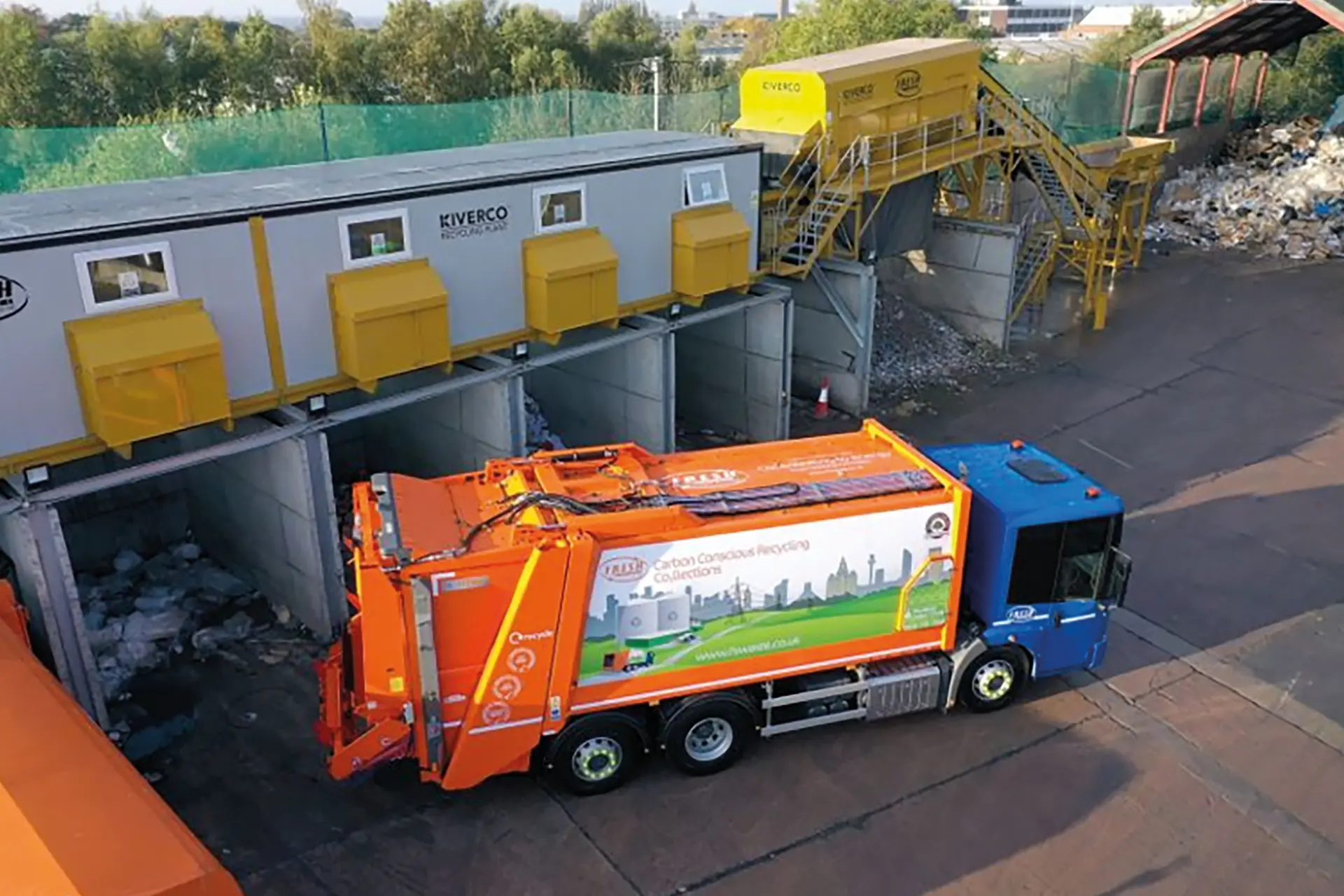
Fresh State Waste is a leading waste management company collecting and recycling commercial waste across the North West. The environment is at the core of our business, implementing sustainable practices across our own company and supporting yours with eco friendly waste solutions. Our aim is to send zero waste to landfill, prioritising reduction, reuse and recycling to achieve a circular economy and lessen the impact of waste on the planet.
CONTACT US FOR A FREE WASTE AUDIT