Plastic is everywhere, so it’s important to know which plastics can be recycled and how to sort them correctly. There are 7 types of plastics in total. Understanding the types of plastic that can be recycled and how they are processed will help you recycle responsibly, and reduce waste.
Key Takeaways:
- There are 7 types of plastic that are classified using Resin Identification Codes (RICs)
- PETE, HDPE and PP are the most widely recycled plastics
- LDPE is recyclable when dropped at specialist collection centres, but not in household waste
- PVC, polystyrene and mixed plastics are not commonly recycled
- Not correctly separating plastic recycling can cause contamination, which results in a whole batch of recycling becoming unrecyclable
- Improper disposal of plastics can cause pollution and harm to wildlife and the environment
The 7 Types of Plastic
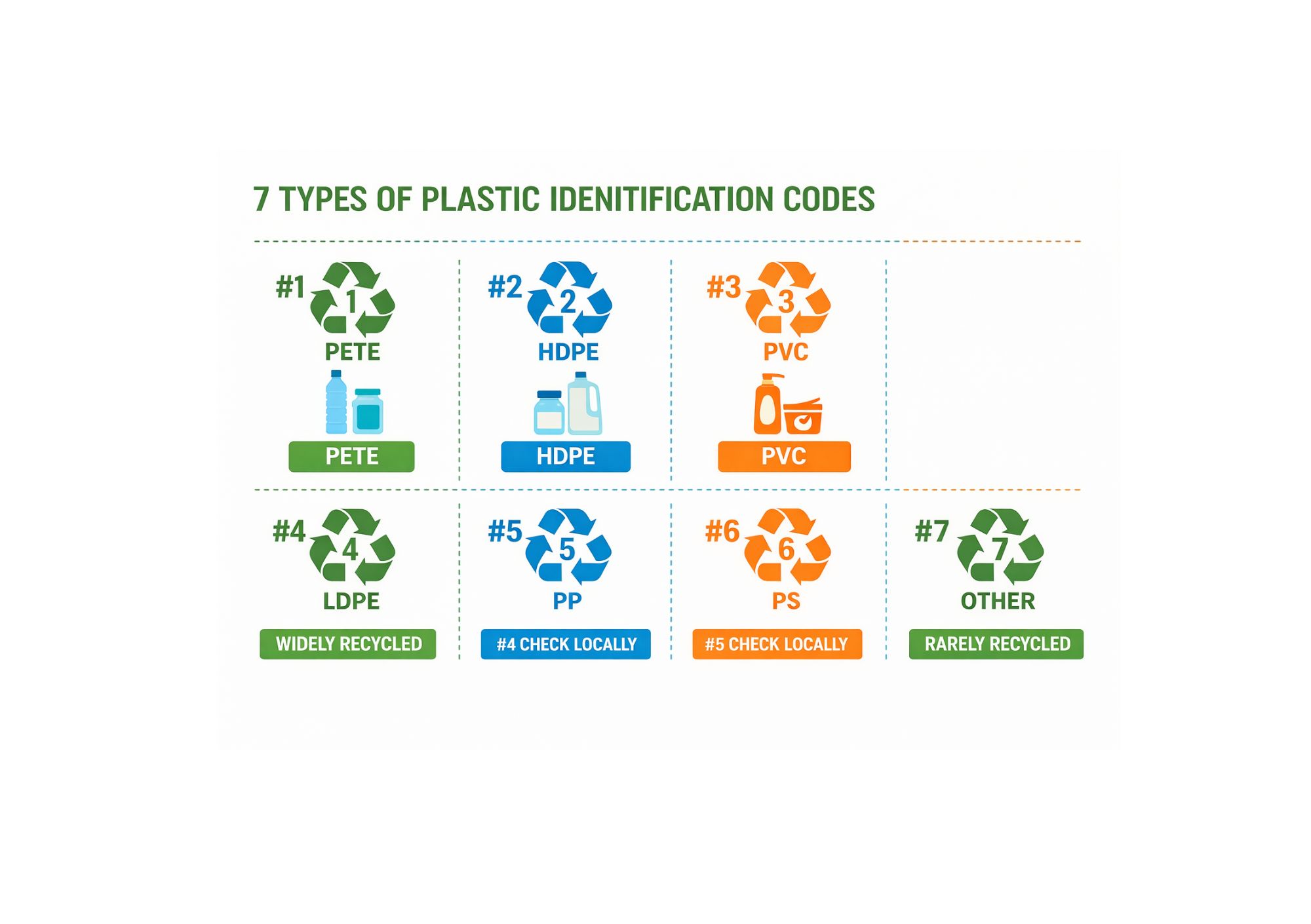
To efficiently recycle plastic, it’s first essential to know which types of plastic you have. Plastics are identified by a number from 1-7. This number is called a Resin Identification Code (RIC) and is placed inside the Mobius recycling symbol to help you identify which it is.
The table below shows each of the 7 types of plastic:
Which Plastics Are Recyclable?
To decipher what types of plastic can be recycled, we need to refer to the RICs. The most recyclable plastics are numbers 1, 2 and 5. Soft plastics (number 4) can also be recycled, but not by local authorities.
Although businesses can use licensed waste management providers like Fresh Start to collect and sort their waste, they still need to know what types of plastic can be recycled. Under Simpler Recycling Laws, all businesses with 10 or more employees must segregate waste in the same ways as domestic households, which means correctly separating plastics.
Let’s explore each type of plastic in more detail.
#1 – PET or PETE (Polyethylene Terephthalate)
PETE is one of the most widely recycled plastics. It’s a clear, strong, and lightweight plastic with excellent barrier properties that make it ideal for preserving food and drinks.
PETE is commonly used for:
- Water and soft drinks bottles
- Jars for jams and spreads
- Salad dressing and condiment bottles
- Food containers
Recycled PETE can be turned into:
- New drinks bottles
- Polyester fabric
- Carpet fibres
- Packaging materials
#2 – HDPE (High-Density Polyethylene)
HDPE is another highly recyclable and durable plastic, known for its strength and resistance to chemicals and moisture.
HDPE is commonly used for:
- Milk bottles
- Shampoo bottles
- Cleaning product containers
- Some grocery bags
Recycled HDPE can become:
- Plastic lumber
- Recycling bins
- Pipes
- Playground equipment
#4 – LDPE (Low-Density Polyethylene)
LDPE is a more flexible plastic, often used as packaging bags for food. LDPE is technically recyclable, but its flexible nature makes it difficult to sort at recycling centres. It often gets caught in machinery, leading to contamination, and therefore cannot be recycled in household bins. Instead, you can take them to special soft plastic recycling points at your local supermarket.
LDPE is commonly used for:
- Plastic bags
- Bread bags
- Squeeze bottles
- Dry cleaning bags
- Cling film
Recycled LDPE is often used to make:
- Bin liners
- Floor tiles
- Mailing bags
#5 – PP (Polypropylene)
After RICs 1 and 2, number 5 is the next most widely recycled plastic. PP is a strong, heat-resistant plastic that is generally considered recyclable. Approximately 83% of local authorities accept containers made from PP. It’s advised to check the individual packaging before putting them in your wheelie bin.
PP is commonly used for:
- Yoghurt containers
- Bottle caps
- Straws
- Takeout containers
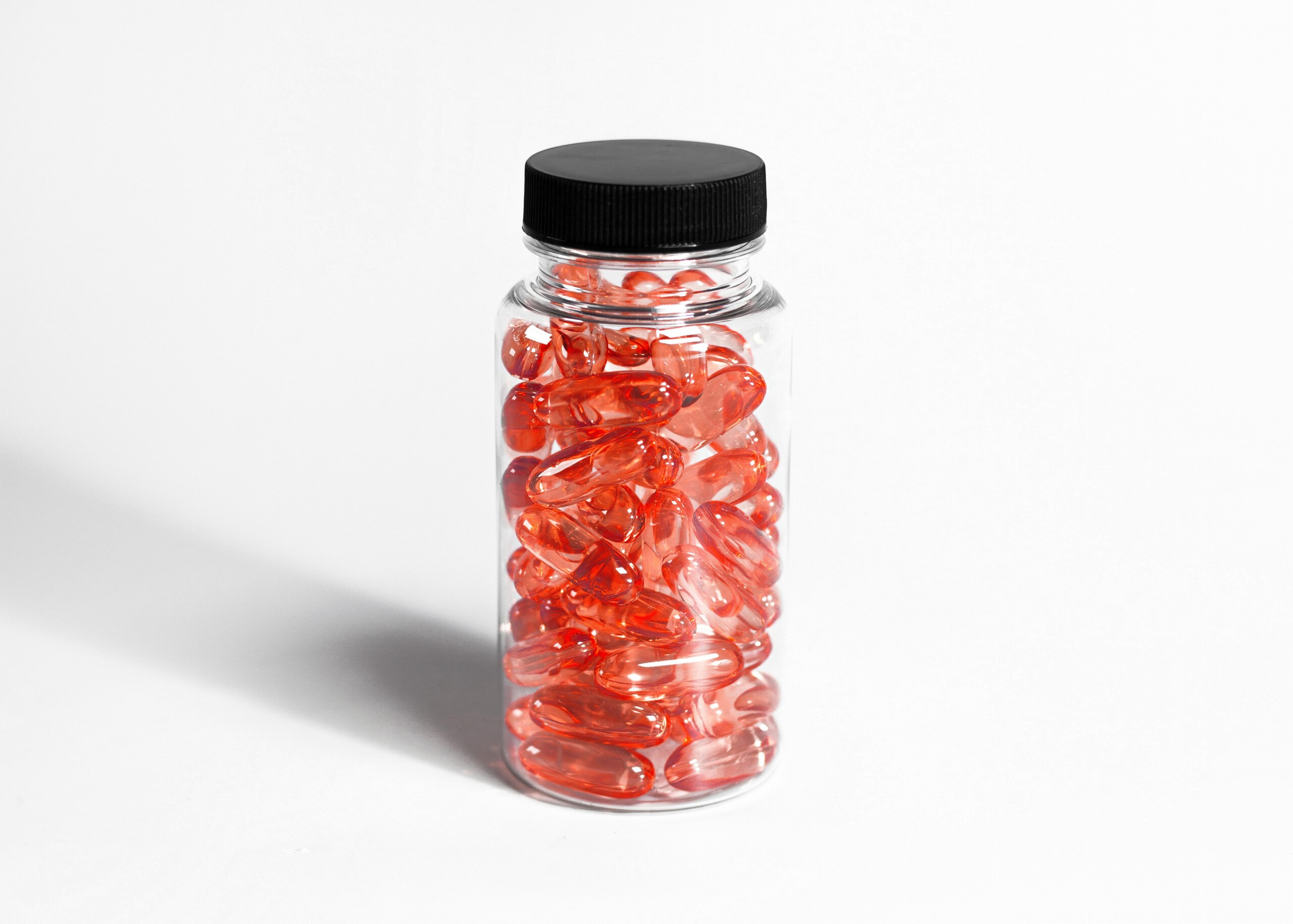
- Prescription bottles
Recycled PP may be repurposed into:
- Storage bins
- Brush handles or bristles
- Car parts
- Signal lights
Which Plastics Are Not Recyclable?
#3. PVC (Polyvinyl Chloride)
PVC is a versatile plastic, used for its rigidity and durability. However, it can be problematic for recycling, as it contains chemical additives or heavy metals, which can be hazardous and complicate the plastic recycling process. Consequently, it is not usually accepted in household recycling streams.
PVC is commonly used for:
- Plumbing pipes
- Shower curtains
- Vinyl flooring
- Window frames
- Medical tubing
#6 – PS (Polystyrene)
Polystyrene comes in two forms: expanded polystyrene (EPS), often called Styrofoam, and rigid PS. Polystyrene is very lightweight and breaks easily into small pieces, and so is not generally accepted in standard household recycling bins.
Polystyrene is commonly used for:
- Disposable coffee cups
- Foam food containers
- Egg cartons
- Packing peanuts
- Plastic cutlery
#7 – Other (Mixed or Specialty Plastics)
“Other” refers to a wide range of non-recyclable plastics, including multi-layer plastics, like crisp packets or coffee pouches, bioplastics, and mixed resin plastics. These are not recycled because they contain multiple types of plastics, and it is therefore impossible to separate and reprocess each component.
- Baby bottles
- Sunglasses
- Nylon
- Acrylic
- Bioplastics
- Multi-layer packaging
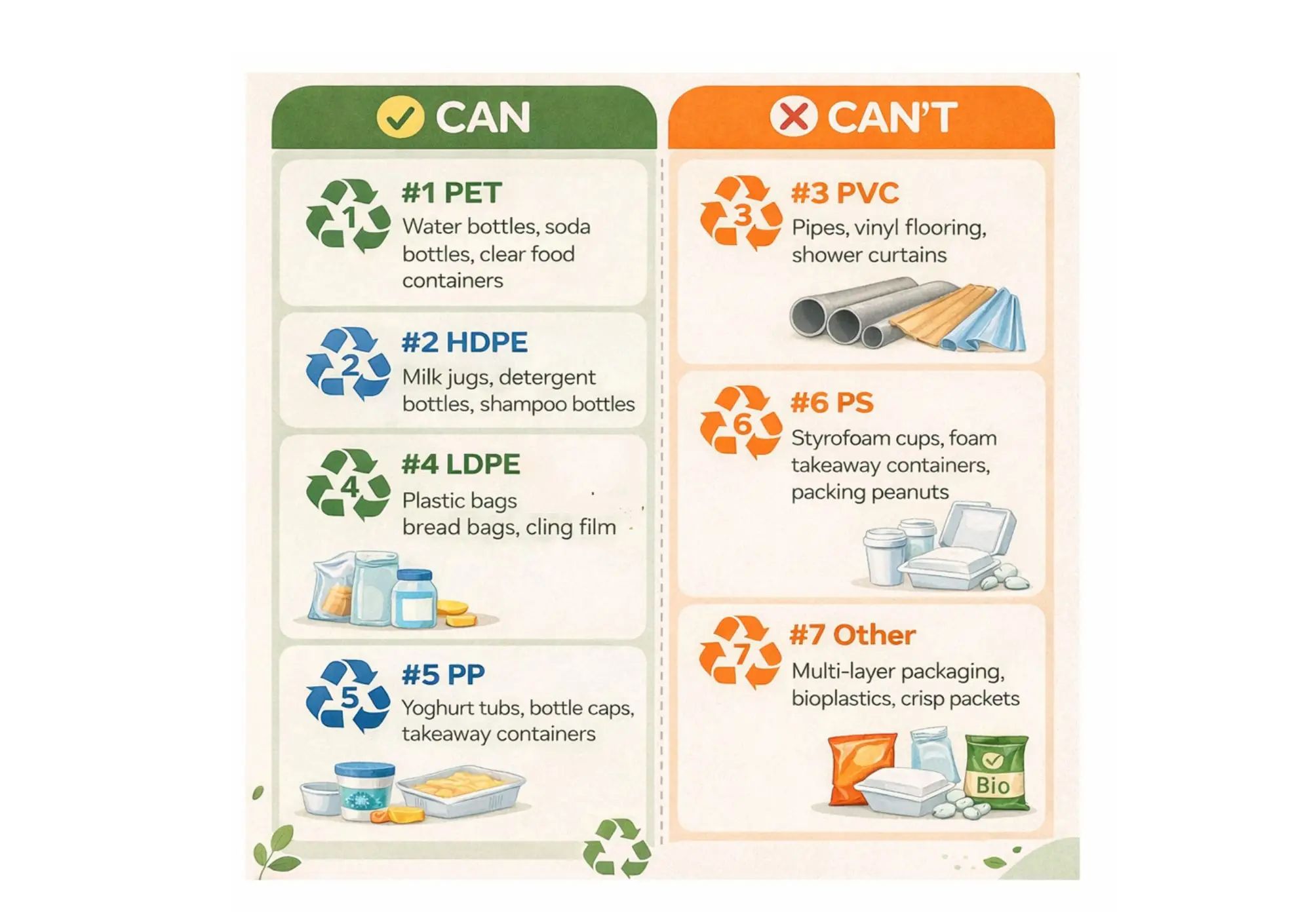
Types Of Recyclable Plastic At A Glance
Here’s a quick overview of which types of plastic can be recycled and which cannot.
What Happens to Recycled Plastics?
Plastics that can be recycled go through a rigorous process to turn them into new products. Firstly, they are taken to a sorting facility, where they are separated by plastic type. They will then be cleaned to remove food residue, labels, and any other contaminants. Plastic is typically shredded into small flakes, melted down, and turned into tiny pellets that become raw materials used in manufacturing.
Recycled plastics could be turned into new products like bottles, containers, polyester clothing, carpets, pipes, and even outdoor furniture. You can only recycle plastic a limited number of times because its quality degrades every time it is melted.
What Happens to Plastics That Can’t Be Recycled?
Unfortunately, non-recyclable plastic often ends up in landfill, where it can take hundreds of years to decompose. In some cases, plastics are sent to waste-to-energy facilities to generate electricity or heat. When plastic waste is mismanaged, it can enter rivers and oceans, significantly harming wildlife and the ecosystem.
This is why it is crucial to know which plastics can be recycled, so you can ensure they end up in the correct waste streams. If you try to put plastics that can’t be recycled in with recyclable plastic, the entire batch can become contaminated, and all of it will have to be sent to landfill or incinerated.
Plastic Recycling from Fresh Start
Fresh Start is a trusted and award-winning waste management provider supporting businesses with plastic recycling and more. We collect all business waste from your promise with a 99% attendance rate.
To get started, we offer a completely free audit that assesses your waste streams and volumes, and what you currently have in place for the disposal of waste. Alongside our sustainable waste collection and recycling services, we also strive to educate all of our customers on reduction and reuse of materials, from different types of plastics to metal, wood and paper. Find out how we can make recycling easier for your business now.