Recycling isn’t always a simple process, and there are many materials that can’t be recycled or that need to be handled in a specific way for reuse. Closed-loop recycling is one of the most effective ways to reduce waste, conserve resources and keep materials in continuous use.
In this guide, we explain what closed-loop recycling is, how it compares to open-loop recycling, and what your business can do to build a closed-loop system of its own.
Key Takeaways
- Closed-loop recycling systems reprocess materials back into their original form, with no part going to landfill
- Aluminium cans, glass bottles and cardboard boxes are all examples of closed-loop recycling, as they can all be turned back into those things once used
- Closed-loop recycling reduces pressure on natural resources, minimises pollution, and preserves landfill space for waste that actually needs to go there
- Businesses can help generate more closed-loop recycling with proper waste disposal solutions.
Contents
- What Is Closed-Loop Recycling?
- Products That Can Be Part Of Closed-Loop Recycling Systems
- Closed-Loop vs Open-Loop Recycling
- Why Is Closed-Loop Recycling Important?
- What Kinds of Materials Can Be Recycled As A Closed-Loop System?
- What Can Your Business Do To Create A Closed-Loop Recycling System?
- Closed-Loop Recycling with Fresh Start
What is Closed-Loop Recycling?
A closed-loop recycling system is when products or items are collected, recycled and repurposed back into their original form. The entire product completes a full circle, with no parts being either binned or sent to landfill, making it one of the most eco-friendly ways to recycle. Glass, aluminium and paper can all be part of closed-loop recycling systems, when handled correctly by a reputable waste management company.
Products That Can Be Part of Closed-Loop Recycling Systems
There are three main examples of products that can be recycled within a closed-loop system:
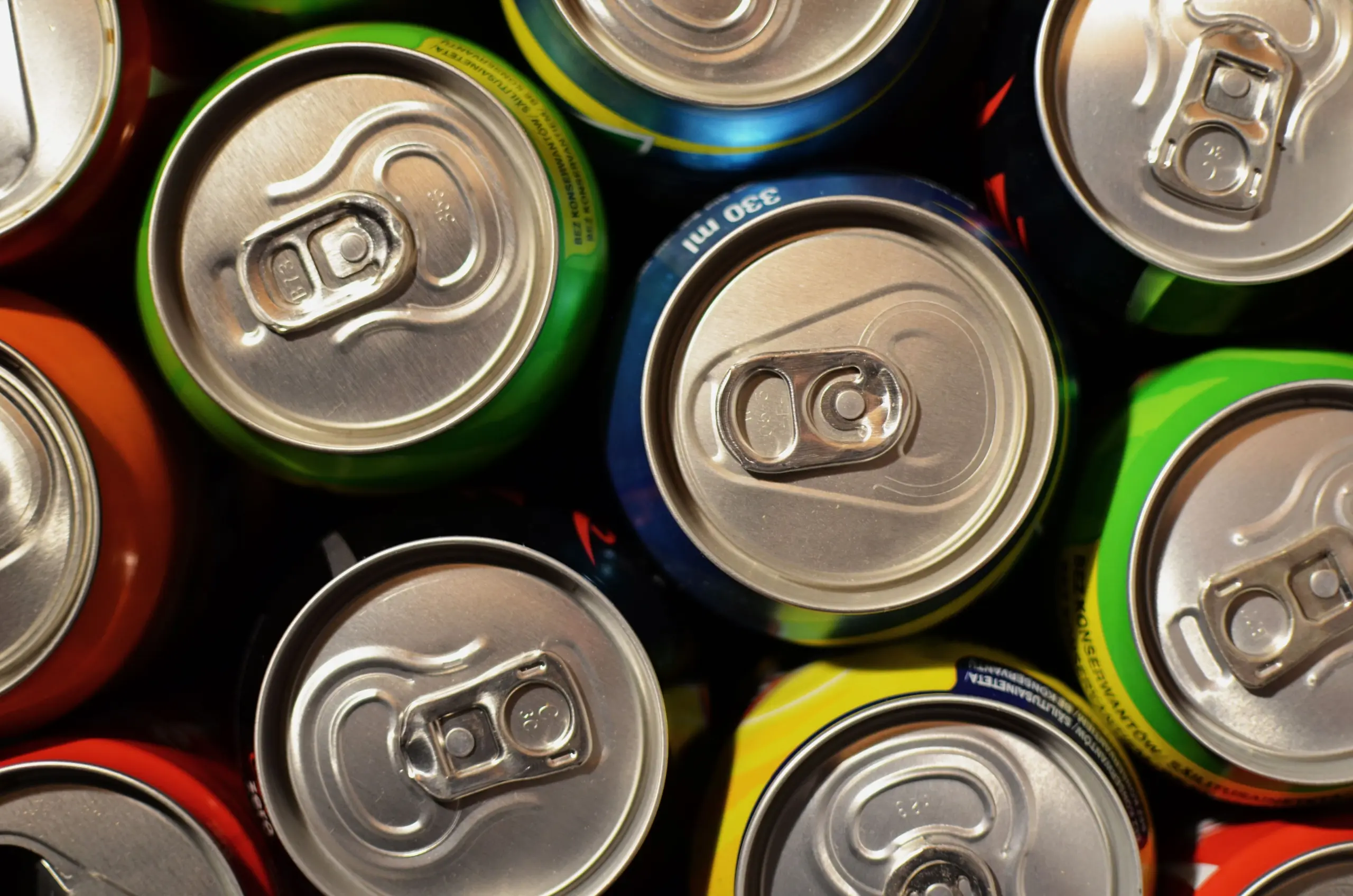
- Aluminium cans can be recycled and turned back into cans
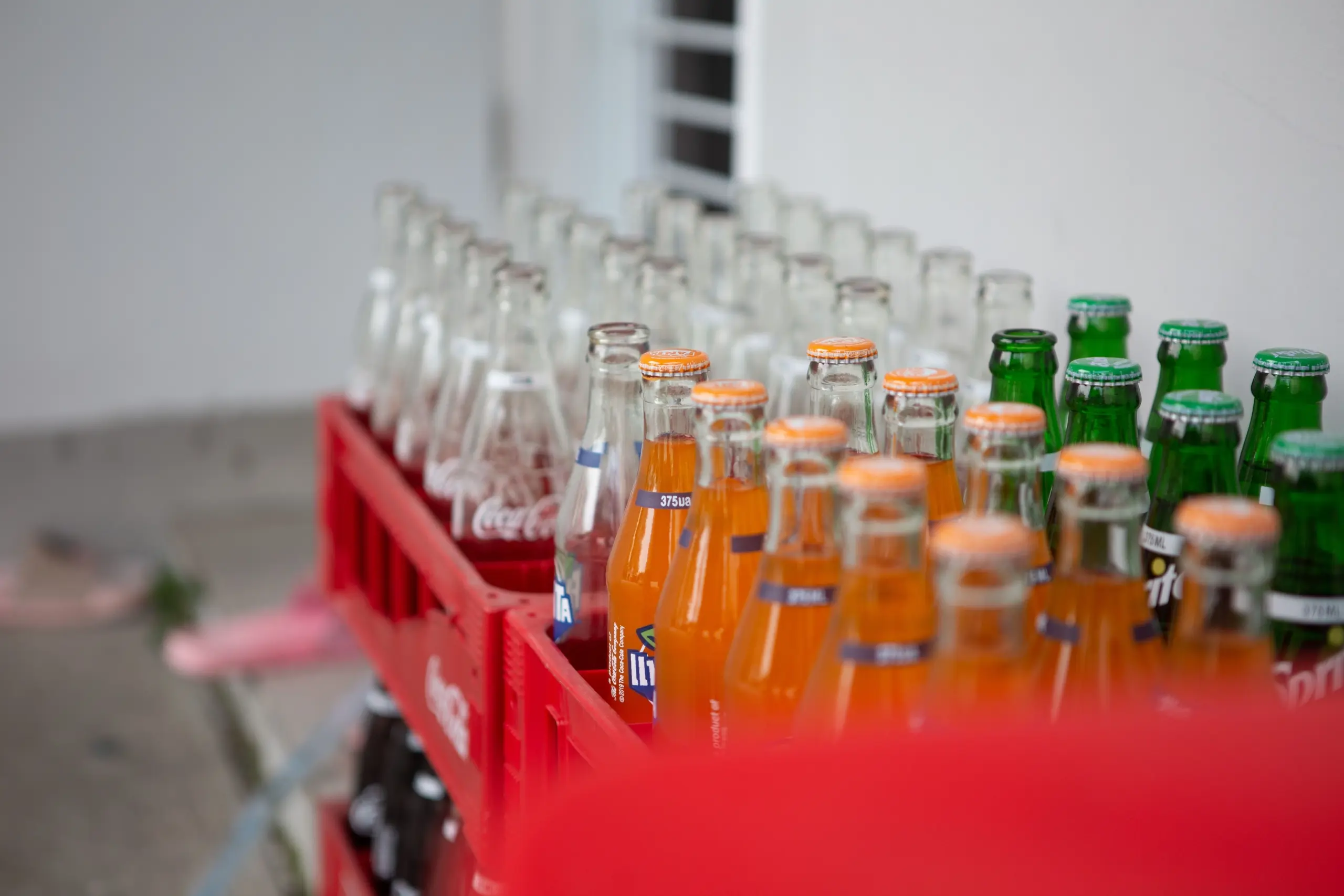
- Glass bottles can be reprocessed into new bottles
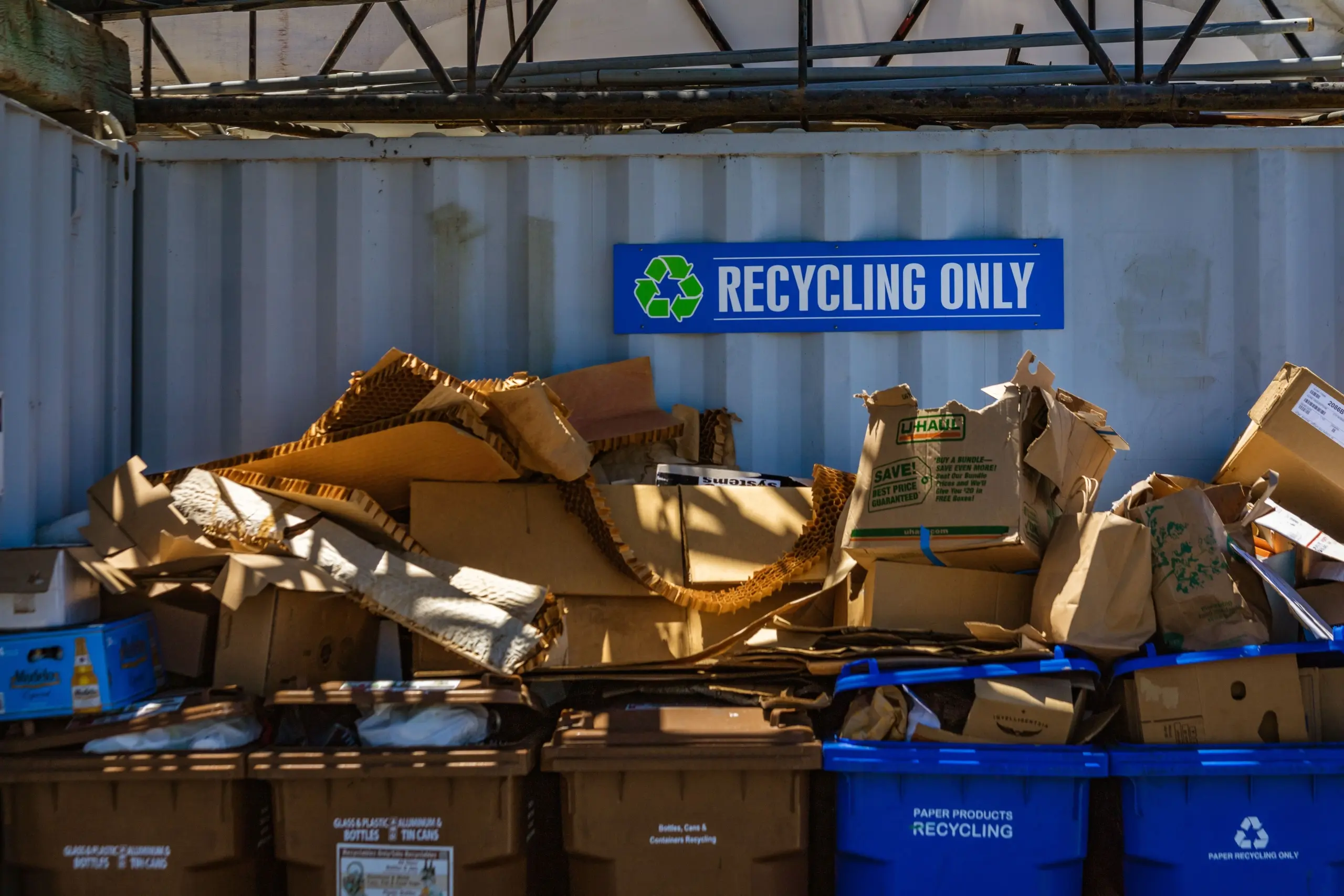
- Cardboard packaging can be recycled and turned into new cardboard packaging
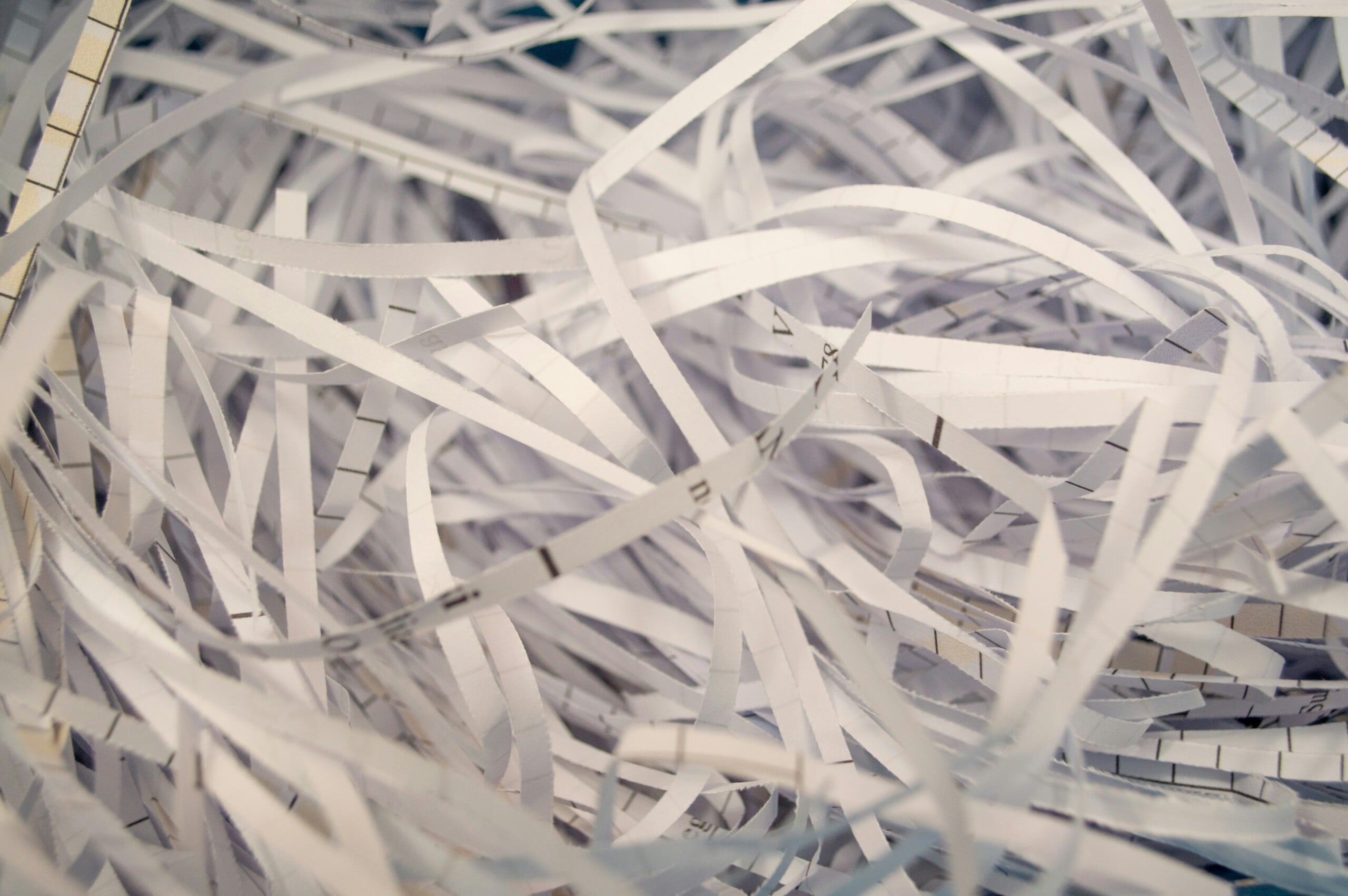
In all of these instances, no materials are disposed of or sent to landfill, hence it’s called a ‘closed’ system. There are materials that can’t be part of this system, including some plastics, hazardous waste, cardboard with food residue on it, mixed materials (like plastic-coated coffee cups), and shredded paper.
Closed-Loop vs Open-Loop Recycling
You might think open-loop recycling would be the opposite of closed-loop, but actually, it’s still a system where many materials and products can be recycled and reused, it’s just that they have a different purpose to the original material.
For instance:
- Plastic drink bottles can be collected and recycled to become textiles (such as polyester carpets or clothes), or artificial lumber (a wood alternative)
- Clothes and other textiles can be recycled to make building insulation, padding for car seats or furniture, cleaning rags, and industrial blankets
- Rubber tyres can be turned into chippings for playground surfaces or used in additives for asphalt
- Glass that can’t be sorted by colour for new bottles can be crushed for use in construction aggregates or sand.
Reusing materials like these stops them going to landfill unnecessarily, and they can continue their lifespan, only serving a different purpose to the one they originally had.
Why Is Closed-Loop Recycling Important?
We take a lot out of the environment, and our resources are constantly dwindling, particularly as the number of people on the planet increases. Closed-loop recycling is a way to minimise waste and to reuse materials wherever possible so new ones aren’t constantly required.
When we recycle materials completely, we’re minimising our impact on the environment, including the harming of natural environments that wildlife thrives in, saving landfill space only for the items that can’t be recycled, thereby reducing pollution.
At Fresh Start, all of the waste we collect is taken to be sorted at our Materials Recovery Facility. Here, it will either be sent for repurposing, or recycled to be turned into something else. We send as little to landfill as possible, reserving space on these sites for the things that can only be disposed of.
What Kinds of Materials Can Be Recycled As A Closed-Loop System?
Let’s take a closer look at the different types of closed-loop recycling.
1. Closed-Loop Metal Recycling
Metals like aluminium and steel are some of the best-suited materials for closed-loop recycling because they can be melted down and reformed repeatedly without losing quality or strength. For example, an aluminium can is able to be collected as waste and put back on the shelves as a new can in just 60 days. Metal doesn’t degrade from the process of recreation, so it can be recycled over and over, making it one of the most efficient materials to keep in a closed loop.
2. Closed-Loop Plastic Recycling
As we’ve already discussed, plastic is harder to keep in a closed loop, and this is because the quality of the material decreases each time it is processed. Certain plastics, like EPT (used in drinks bottles) and HDPE (used in milk bottles and detergent containers), can be cleaned, shredded and reprocessed into food-grade recycled plastic (rPET), which is then used to manufacture new bottles and containers.
Contamination is one of the biggest barriers to reprocessing plastic, so the key is to clean it and sort it as thoroughly as possible. Learn more about which plastics can be recycled.
3. Closed-Loop Water Recycling
Water is generally thought of as a never-ending resource, and yet any water that is used needs to be cleaned, putting demand on water supplies across the country. Closed-loop water recycling is commonly used within manufacturing and industrial settings, where water used in production processes – such as cooling, washing or cleaning – is captured, treated and reused within the same system, rather than being discharged and replaced with fresh water each time. This can hugely reduce the water supply demand, and cuts down on the amount of wastewater a business has to treat or dispose of.
4. Closed-Loop Film Recycling
Plastic film, such as pallet wrap, shrink wrap, and other flexible packaging used in warehouses and distribution centres, can also be part of a closed-loop system. Once it’s collected, the film can be cleaned, granulated and reprocessed into new film products, keeping it in continual use rather than sending it to landfill. As with other plastics, keeping the film free of contamination (such as tape, labels or other packaging materials) is essential.
What Can Your Business Do To Create A Closed-Loop Recycling System?
At this point, you might be wondering how your business can do more to encourage a closed-loop system, and to recycle as much waste as possible. Luckily, there are some things you can do from today to make your business even more environmentally friendly.
1. Carry Out A Waste Audit
Understanding exactly what your business throws away, and how much of it, is the first step to identifying which materials could realistically be kept in a closed loop. We offer free waste audits that are there to reveal your waste output, suggest how this could be reduced, and to determine how we can recycle and dispose of your business waste. To enquire about your free audit, contact us today.
2. Separate Materials At The Source
As part of the Simpler Recycling guidelines, all businesses must segregate their waste into the right bins or containers for easy collection. This stops your waste from becoming contaminated and is suitable for closed-loop processing.
3. Choose Suppliers and Packaging with Recyclability In Mind
The packaging decisions you make as a business can impact your waste and your sustainability. For instance, when you choose single-material packaging over mixed materials, it’s more likely that the packaging can be recycled back into its original form instead of being disposed of.
4. Compost Food Waste
For businesses in the hospitality sector, including restaurants and cafes, composting your food waste is a great way to complete closed-loop recycling. The organic materials will decompose, and can be collected and used to grow new fruits and vegetables. If you don’t have space for composting on site, we are able to collect food waste and recycle it at our recycling facilities.
Closed-Loop Recycling with Fresh Start
At Fresh Start, we work with businesses to identify which of their waste streams could be part of a closed-loop system, helping to reduce landfill waste, cut costs and support their sustainability goals. Get in touch with our team to find out how we can help your business recycle more effectively