Key Takeaways:
- Lithium batteries should never be disposed of in household waste
- Lithium batteries are rechargeable batteries used in most modern appliances and devices
- Household lithium batteries can be recycled via council collection points, recycling centres, or take-back schemes
- Businesses should use a licences or with waste management company for large quantities of lithium battery disposal
- To prepare batteries for recycling you should look for damage, tape terminals, safely discharge and store in a cool, non-metal container
- Careless lithium battery disposal can result in fires, environmental contamination and regulatory fines
- Lithium battery recycling recovers valuable metals to conserve finite natural resources
- Businesses must follow WEEE and battery regulations, and partnering with a certified waste provider ensures legal compliance and reduced liability
Disposing of Lithium Batteries
Lithium batteries power almost everything around us – from mobile phones and laptops to electric vehicles and even children’s toys and medical devices. With millions in circulation, the safe and responsible disposal of lithium batteries is essential. This guide will explain why proper lithium battery disposal is so important, and how and where you can recycle lithium batteries.
In this article:
- What is a Lithium Battery?
- Types of Lithium Batteries
- Where to Dispose of Lithium Batteries
- How to Dispose Of Lithium Batteries
- Why Does Safe Disposal of Lithium Batteries Matter?
- How to Dispose of Damaged Lithium Batteries
- Battery Recycling and WEEE Waste Compliance with Fresh Start
What Is a Lithium Battery?
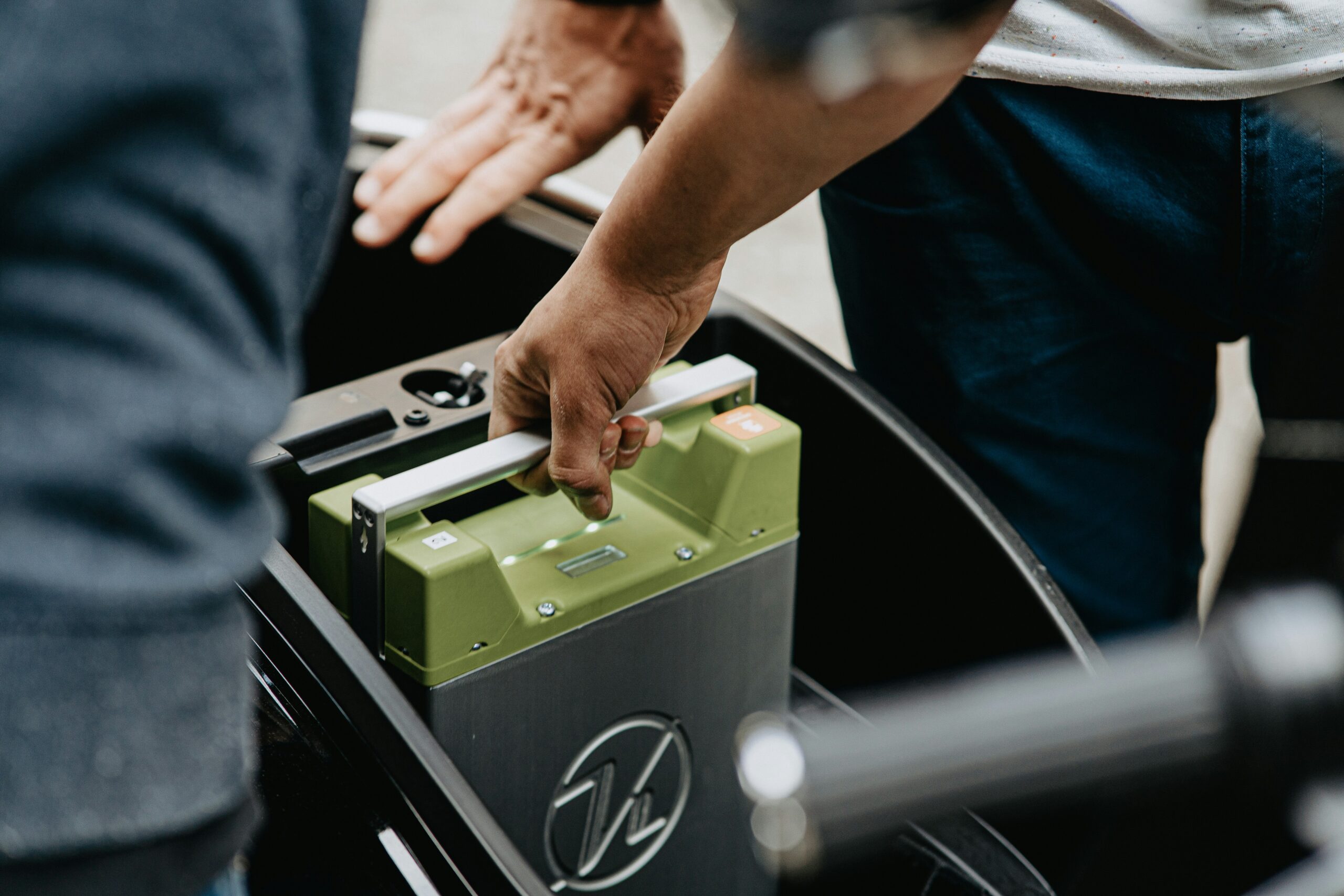
A lithium battery is a type of rechargeable battery that powers many of the devices we use every day. It stores energy using lithium, a lightweight metal, which allows it to hold a lot of power without being heavy or bulky.
Lithium batteries can be recharged hundreds of times without losing much capacity, making them reliable and long-lasting. They work by moving tiny lithium particles inside the battery to create electricity that powers your devices.
You can find lithium batteries in a huge range of items, such as:
- Smartphones
- Laptops and tablets
- Smartwatches and fitness trackers
- Digital cameras
- Wireless headphones and earbuds
- Electric vehicles (EVs) and hybrid cars
- Power tools
- Drones and remote-controlled devices
- Portable power banks
- Electric bikes and scooters
- Medical devices such as hearing aids
This list is by no means exhaustive, with lithium batteries included in just about every modern device.
Types Of Lithium Batteries
There are two main types of lithium batteries:
1. Primary Lithium Batteries
These are non-rechargeable and are typically used in devices that need less power, for example, watches, calculators and remote controls
2. Lithium-Ion Batteries
These rechargeable batteries are the most common type, found in nearly all modern portable electronics. Within this category are sub-categories such as lithium-ion (Li-ion), lithium-polymer (Li-Po), and lithium-iron-phosphate (LiFePO4) batteries.
Where To Dispose Of Lithium Batteries
You should never dispose of lithium batteries in household waste. Recycling should always be the first option and, luckily, there are several channels you can use to recycle lithium batteries.
Battery Recycling Points
Many local councils and retailers now offer battery recycling points. Collect your batteries in a safe container and drop them off at designated collection points. Anyone disposing of household batteries can use the recyclenow website to find their nearest collection point.
Waste Recycling Centres
Local recycling centres will have dedicated battery recycling areas, usually within the small electricals area for individuals to use. These facilities are equipped to handle hazardous waste, with processes in the palace to safely deconstruct and repurpose them.
Retailer Take-Back Schemes
Some manufacturers and retailers offer take-back schemes, where used lithium batteries can be returned for free recycling. These schemes are convenient for those with small amounts of battery waste but will not be sufficient for large quantities or for businesses with regulatory obligations.
Waste Management Companies
Businesses producing larger volumes of batteries, for example, offices, retailers, and construction sites should work with a certified waste management company to ensure safe and compliant lithium battery disposal.
Services typically include scheduled battery collections, secure storage and transportation and full battery recycling. Partnering with a professional provider simplifies the process and reduces risk and liability for businesses.
RECYCLE WITH FRESH START
How To Dispose Of Lithium Batteries
Before you can recycle lithium batteries, you need to make sure they are prepared for safe disposal. To do this, you should:
- Check batteries for damage – Look for swelling, leaks, corrosion or cracks. Damaged lithium batteries pose a higher fire risk and need special handling
- Tape the terminals – Cover the positive (+) and negative (–) terminals with non-conductive tape to prevent short circuits
- Discharge if safe to do so – For larger rechargeable batteries, use them in their device until the charge is low. Never discharge a damaged battery
- Store safely – Keep batteries in a cool, dry place, away from heat and flammable materials, using a non-metal container until they are ready to be recycled
This guidance is for those recycling small quantities of lithium batteries, usually from household devices and appliances. For businesses with large volumes of lithium batteries, using a licensed waste provider is the best way to guarantee regulatory compliance and public safety.
Why Does Safe Disposal Of Lithium Batteries Matter?
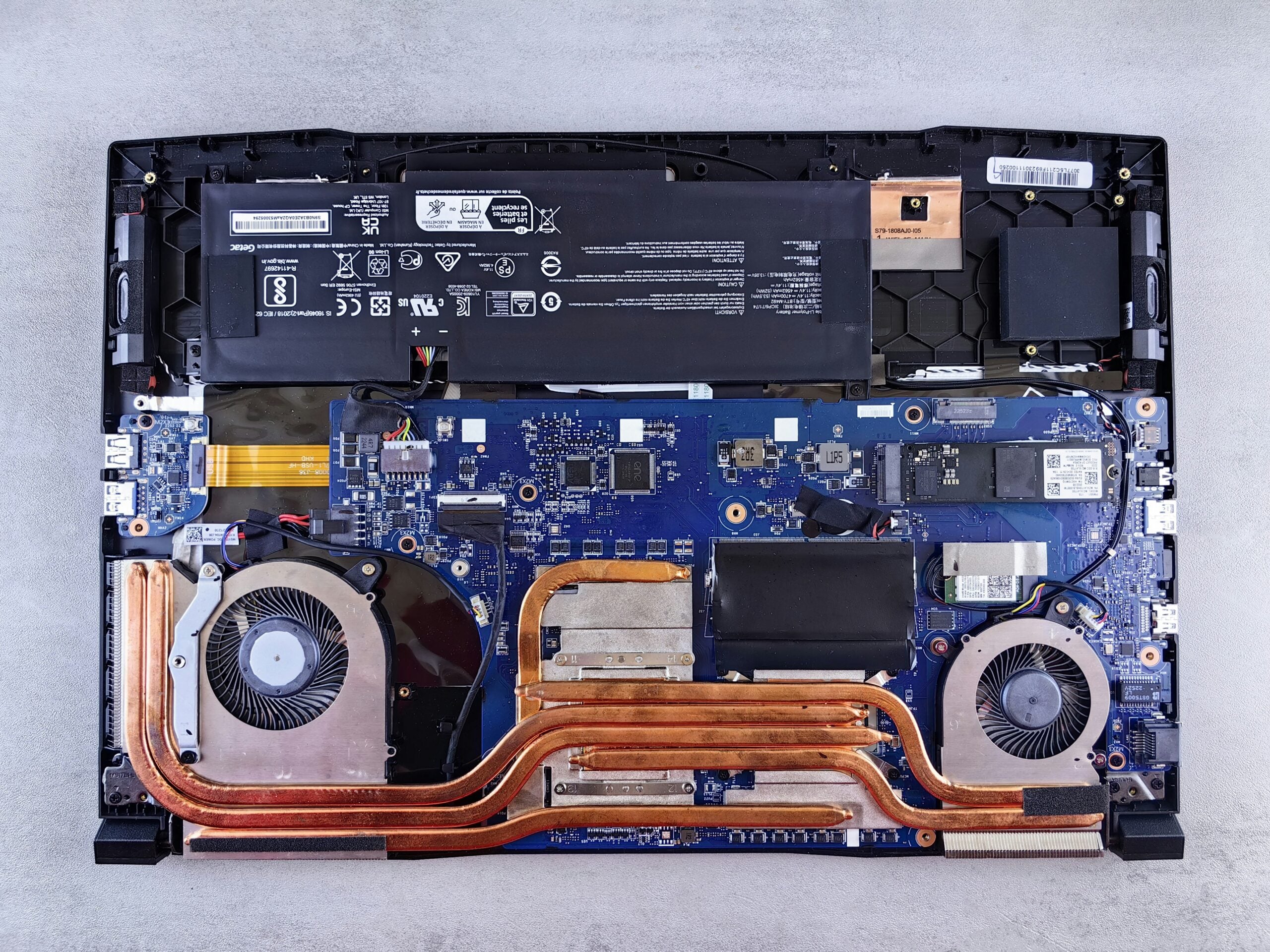
The reason it’s important to dispose of lithium batteries properly is two-fold. Firstly they contain valuable materials, including lithium, cobalt, and nickel, which can be recovered and reused.
More pressingly, the unique chemical properties that make lithium batteries so effective also make them potentially hazardous. Improper lithium battery disposal can pose serious risks.
Fire Hazards
The chemicals in lithium batteries are highly flammable. In fact, UK fire brigades now have to handle up to 3 lithium battery related fires per day. If they are damaged, punctured, short-circuited or exposed to high heat they can quickly catch fire or even explode. These fires can happen anywhere – at home, in waste collection vehicles or even at recycling facilities. If damaged batteries are not handled safely, waste collection staff, the public and potentially entire truckloads of recyclables are at risk.
Environmental Impact
While fire is the most immediate risk, unsafe lithium battery disposal can also lead to environmental contamination. If lithium batteries end up in landfill, toxic chemicals can seep into soil and water, damaging ecosystems.
Furthermore, as lithium and other metals are finite resources, recycling helps reduce the need for new mining, conserving natural resources and reducing carbon emissions.
Regulatory Compliance
Businesses manufacturing or using lithium batteries must comply with strict battery regulations. This includes government controlled battery regulations and WEEE regulations.
Failing to comply with any laws around lithium ion battery disposal can result in fines or legal consequences. Partnering with a certified waste management company can help ensure that your lithium battery disposal meets all legal requirements.
TALK TO FRESH START ABOUT LITHIUM BATTERY DISPOSAL
How To Dispose Of Damaged Lithium Batteries
Damaged lithium batteries can overheat, catch fire or even explode, so do not dispose of them in general waste under any circumstances. Signs of damage might include a swollen lithium battery, leaking fluid, a strange smell or cracks and punctures. If you spot any of these you should:
- Carefully place the battery in a fire-resistant container, such as a metal tin or bucket filled with sand, to reduce the risk of ignition
- Store the container in a cool, well-ventilated area away from flammable materials and out of direct sunlight
- Avoid handling the battery unnecessarily and never try to crush it
- Contact your local council or a specialist waste management provider for advice on safe collection and disposal
Battery Recycling And WEEE Waste Compliance With Fresh Start
Proper lithium battery disposal is essential for protecting people, property, and the environment. Lithium batteries fall under Waste Electrical and Electronic Equipment (WEEE) regulations. WEEE recycling ensures that electrical items, including those powered by batteries, are processed correctly, with valuable materials recovered and harmful substances prevented from entering the environment.
ASK US ABOUT A FREE AUDIT TODAY