Not sure if your mozzarella-stained pizza box can be recycled but throwing it in the cardboard recycling bin anyway? That’s called wishcycling.
We’ve all done it, and usually with the best intentions, but wishcycling can actually do more harm than good. With proper recycling we can save 18 million tonnes of CO2 every year, so it’s important to get it right.
This guide will give you some common examples of wishcycling and explain how to avoid common wishcycling pitfalls.
Key takeaways:
- Wishcycling is the act of putting items in the recycling despite not knowing if they are recyclable
- Putting non-recyclables in a recycling stream is one form of wishcycling
- Putting recyclables that are contaminated is another type of wishcycling
- Wish cycling can lead to entire batches of recycling being sent to landfill, increases recycling costs and results in the need for more virgin resources
- Learning how to recycle effectively helps prevent wish cycling
Contents:
- What is wish cycling?
- The two types of wish cycling
- Why does wish cycling matter?
- How to avoid wish cycling
What is Wish Cycling?
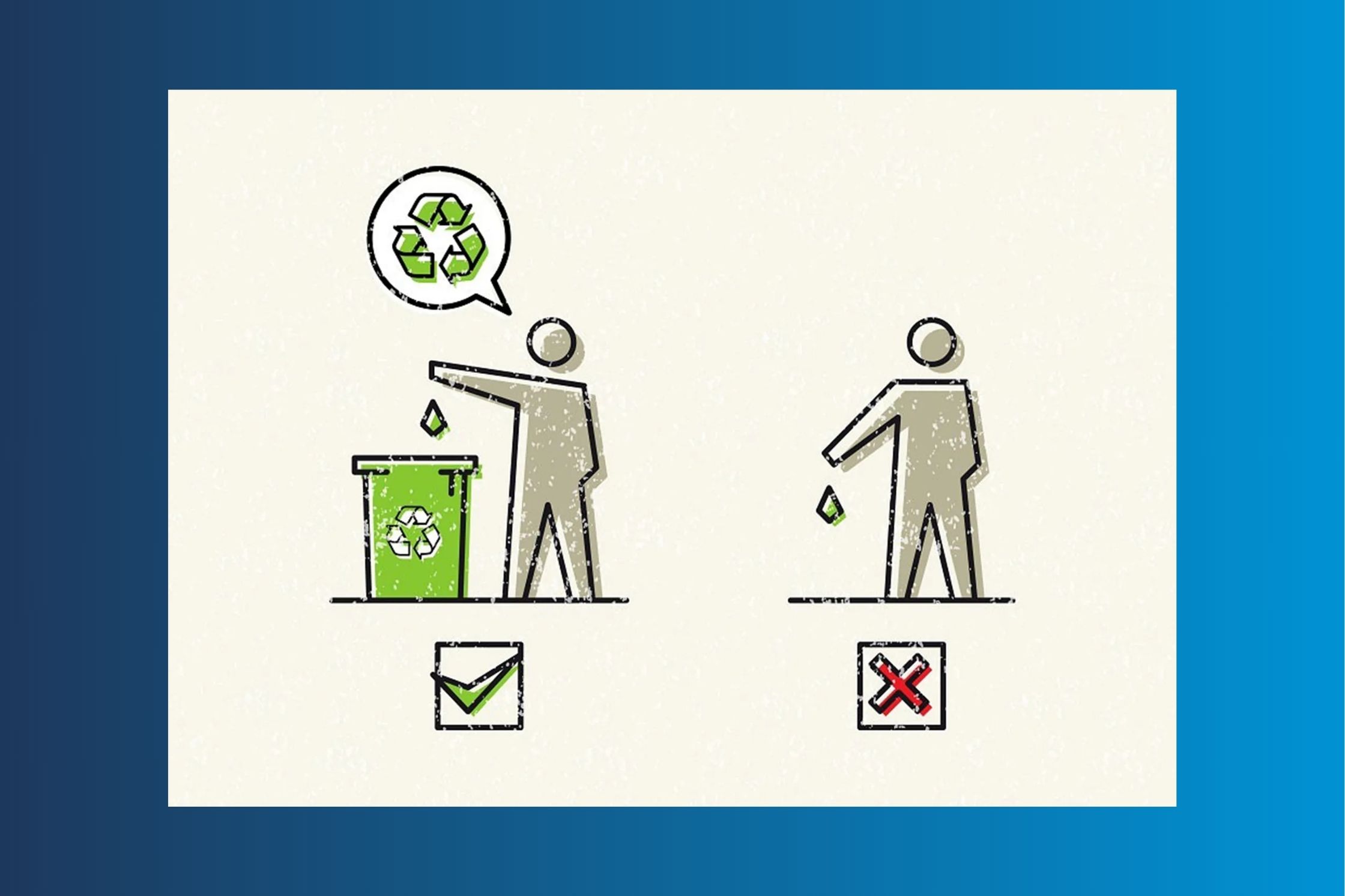
Wish cycling is the practice of placing items into recycling bins in the hope that they will be recycled, even if you are unsure whether they actually can be. It’s usually a result of confusion around recycling symbols, and because recycling rules can vary according to where you live in the UK.
The problem with wishcycling is that people think they are making the most eco-conscious choice but actually end up creating more waste and more work for recycling facilities. For both businesses and domestic households, understanding what should and shouldn’t be recycled is the best way to cut out wishcycling and make a positive impact.
The Two Types of Wish Cycling
There are two main categories that fall under the wishcycling definition. It’s essential to know which category your waste fits into as this will help you when deciding if it can be recycled.
1. Non Recyclables
The most common type of wishcycling is putting items in recycling bins that cannot be recycled. People might assume that anything made of plastic, metal or paper must be recyclable, but this isn’t the case. A study by Lancaster University actually found that people tend to decide if an item is recyclable based on how it feels, rather than by looking at the composition or recycling advice.
The most common non-recyclable items wrongly put into the recycling bin include:
- Plastic bags and soft plastics (these can be recycled at selected supermarkets)
- Takeaway coffee cups with plastic-lining
- Polystyrene packaging
- Black plastic trays and containers
- Food waste left inside packaging
- Broken glass, mirrors or ceramics
- Nappies and sanitary products
- Multi-layer packaging, such as crisp packets or foil-lined pouches
2. Contaminated Recyclables
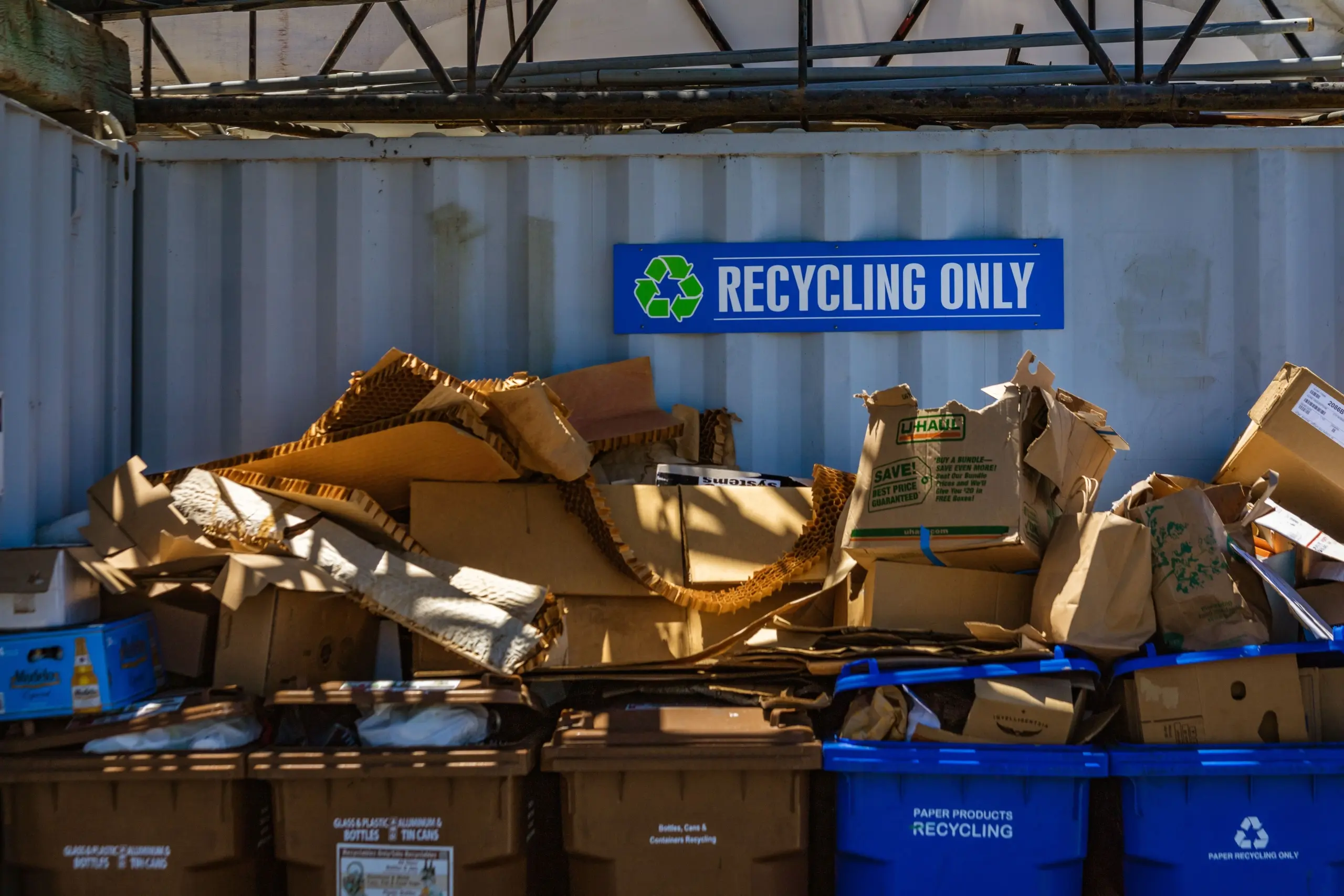
The second type of wishcycling is materials that are actually recyclable but are contaminated by food or other products. This could be things like greasy pizza boxes, unwashed jam jars or shampoo bottles with shampoo still inside.
There’s a simple remedy to this problem. Rinse any food, liquids or other residue off your waste before putting it in the recycling. They don’t have to be spotless – they just need to be clear of large amounts of food or liquid as this causes contamination across whole loads of otherwise recyclable waste.

Why Does Wish Cycling Matter?
Wishcycling might seem like a harmless act with good intentions. However, simply putting one incorrect item in the wrong place can create a domino effect that has significant consequences for recycling systems and business waste management.
Contamination increases the cost and complexity of processing recyclables. Facilities must spend additional time and resources sorting materials or disposing of contaminated waste.
Excessive contamination can also cause entire batches of recyclables to be rejected. This means materials that could have been recycled end up being sent to landfill.
One of the lesser known problems with wishcycling is that it increases the amount of virgin resources needed to create new products. When incorrectly recycled items contaminate recycling streams, materials that could have been recovered are instead sent to landfill along with the contaminants. This wastes valuable resources and drives continued demand for virgin materials, leading to higher carbon emissions and greater resource depletion – the exact opposite of what we are trying to achieve by recycling.
For businesses there is an extra consequence as those that do not manage waste correctly may struggle to meet sustainability targets or demonstrate environmental responsibility which can damage their reputation or even lead to regulatory fines.
How To Avoid Wish Cycling
It’s fairly easy to break the cycle of wishcycling. An easy rule to remember is ‘if in doubt, throw it out’. Throwing away one item that could have been recycled is actually better than contaminating entire batches of recyclables. So if you really are unsure, use the general waste bin. Better yet, become a recycling expert and never wonder about an item again!
1. Learn About Recycling
Begin by focusing on the “big five” recyclables that nearly all recycling facilities accept: paper, cardboard, aluminum cans, steel cans, and rigid plastic bottles. Check the guidelines for your local council recycling scheme and see what is and isn’t accepted.
Plastics can be one of the most confusing areas of recycling, so explore the different types of plastics and find out which can and cannot be recycled. Once you get used to the numbers system on plastics, you’ll be able to easily identify which can go in the recycling bin. Do the same thing with metals too.
Businesses can ask their waste management provider for guidance or even detailed lists of what can go in the various waste containers.
2. Educate Others
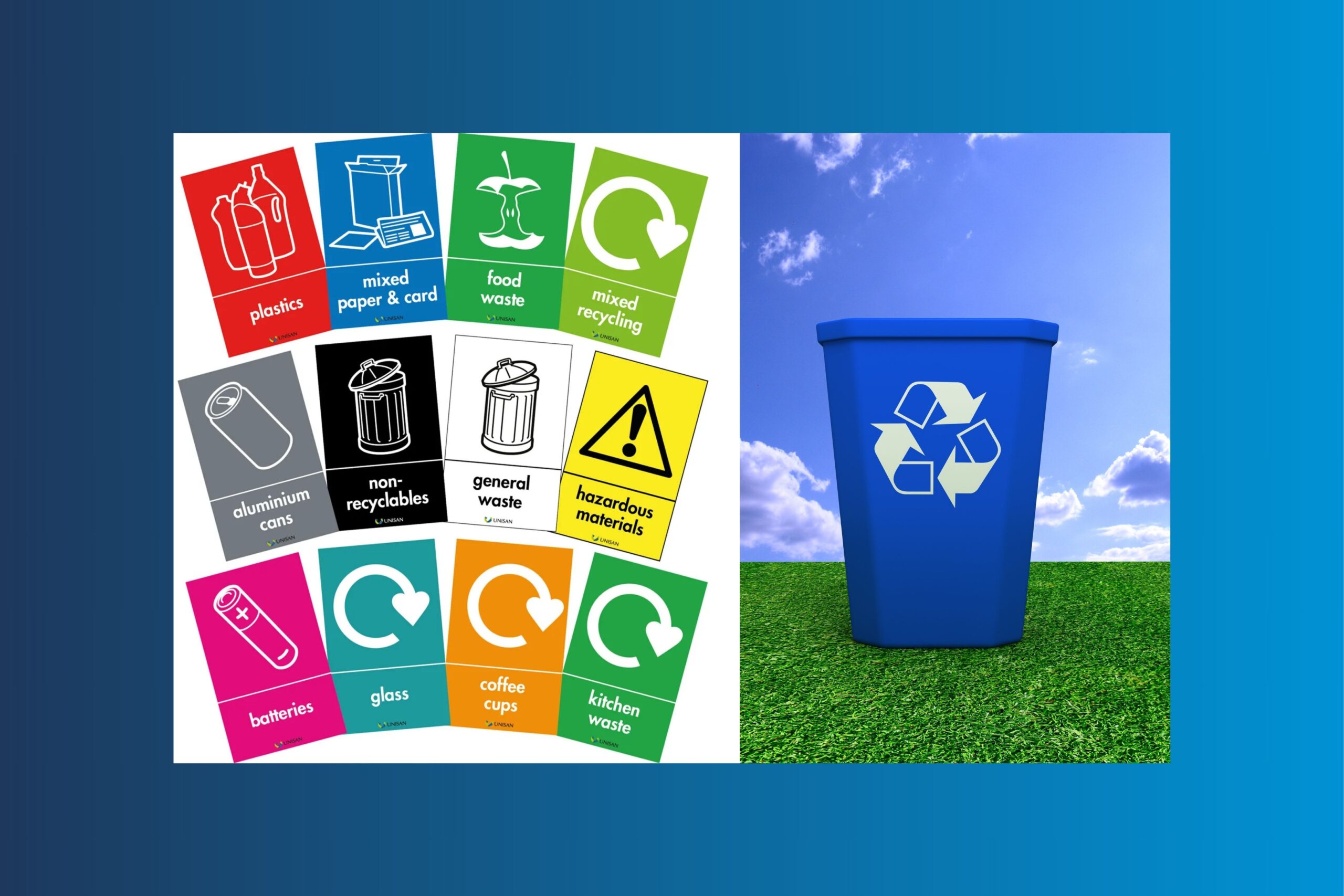
For organisations, it’s crucial to educate staff on best recycling practices. Segregation at source is the most efficient way to manage recycling in workplaces, from offices and retail stores to clinical settings and hospitality venues. Use clearly marked recycling bins and train everyone who uses them to know what can go in them. Teach staff to clean containers first and consider having a chart with recycling symbols positioned next to the refuse area.
3. Use a Licenced Waste Carrier
Working with a professional, licensed waste carrier ensures that your waste is handled responsibly and in accordance with all regulations.
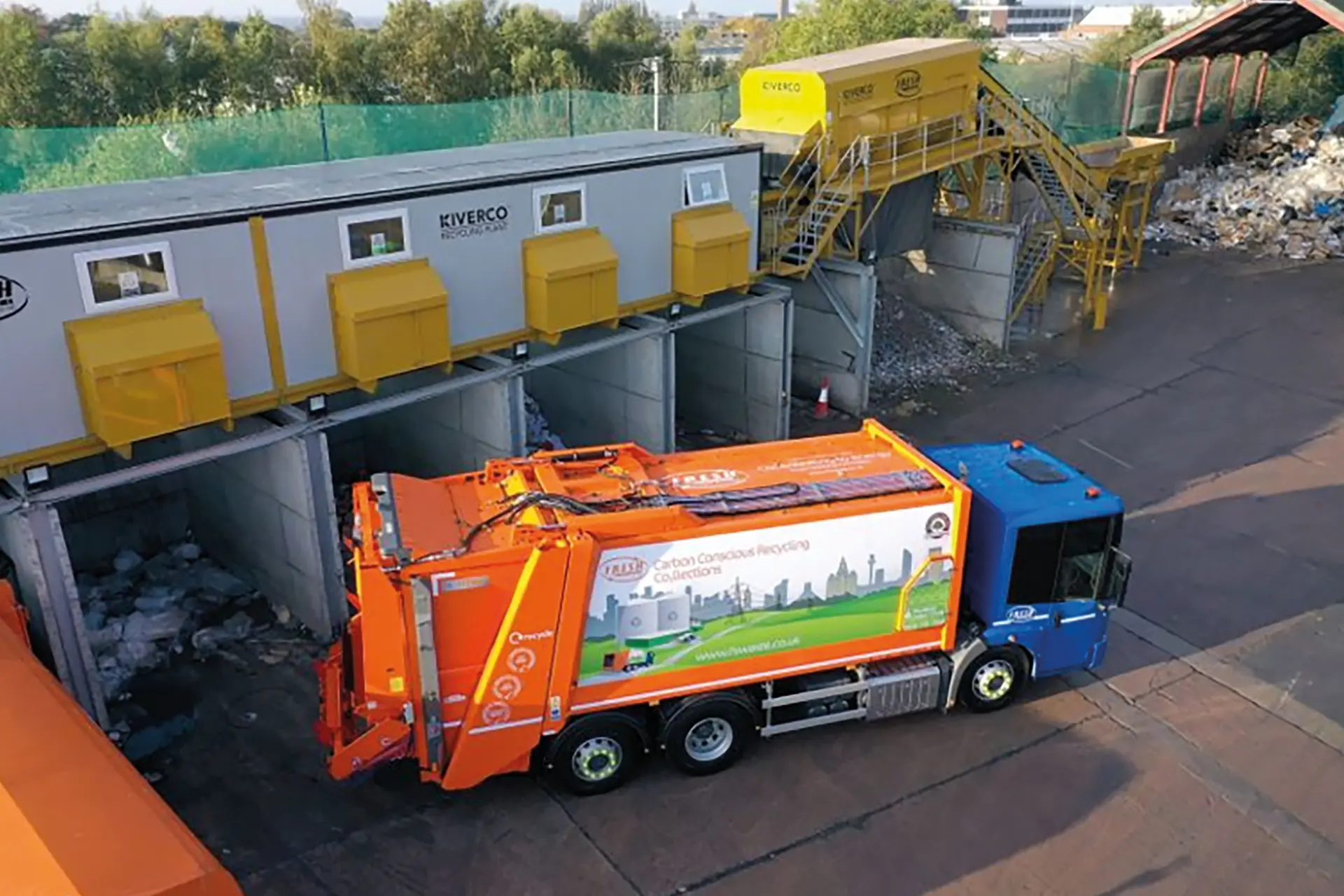
At Fresh Start Waste, we help businesses with efficient waste management services that include real recycling, compliant collections and expert advice on reduction, reuse and recycling. By partnering with a trusted waste provider, businesses can improve recycling rates, maintain compliance and meet sustainability goals.
Find out how Fresh Start can make recycling easier, faster and more sustainable.